القائم بالأعمال المؤقت يشارك في زيارة منظمة بنك الطعام في هيوستن

شارك القائم بالأعمال المؤقت في القنصلية العامة لجمهورية العراق في تكساس – هيوستن، السيد قتيبة خالد صالح، في زيارة إلى منظمة بنك الطعام في هيوستن (Houston Food Bank) بتاريخ ٥ تشرين الثاني ٢٠٢٥، رفقة مجموعة من القناصل العامين المعتمدين، ضمن فعالية نظمها السلك القنصلي في المدينة لتعزيز التعاون مع المؤسسات المحلية.
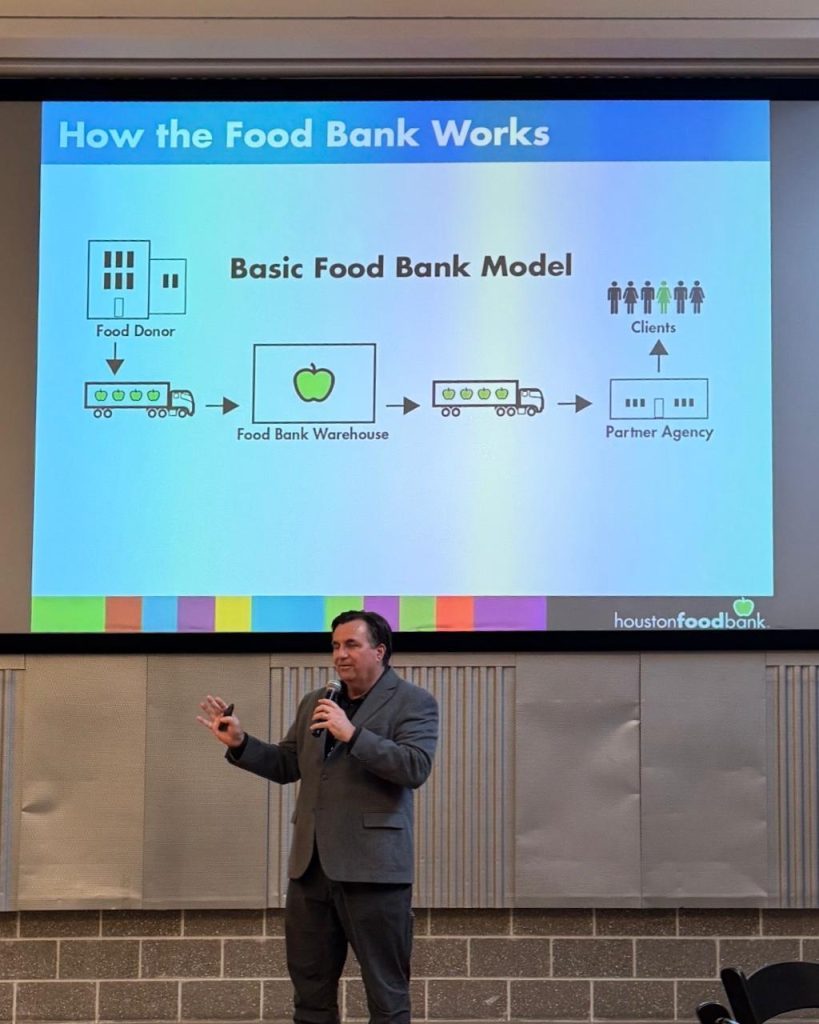
وخلال الزيارة، قدم رئيس المنظمة، السيد براين غرين (Brian Greene)، شرحًا تفصيليًا حول مهام البنك وبرامجه الإنسانية، وجهوده في مكافحة انعدام الأمن الغذائي في ولاية تكساس، بالإضافة إلى دعمه للأسر ذات الدخل المحدود والمتضررين من الكوارث الطبيعية. وأوضح أن بنك الطعام في هيوستن يعتبر أحد أكبر المنظمات غير الربحية في الولايات المتحدة المتخصصة في توفير المواد الغذائية، حيث يخدم أكثر من 1.5 مليون شخص سنويًا، ويوفر المواد الطازجة والمعلبة والوجبات الجاهزة.
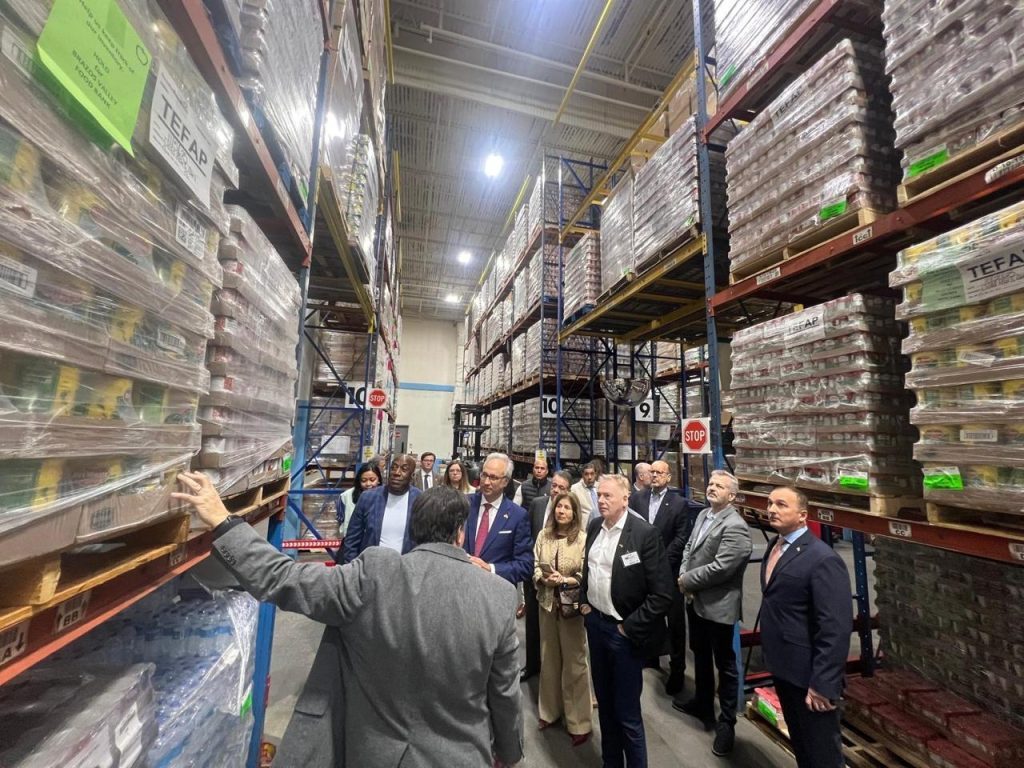
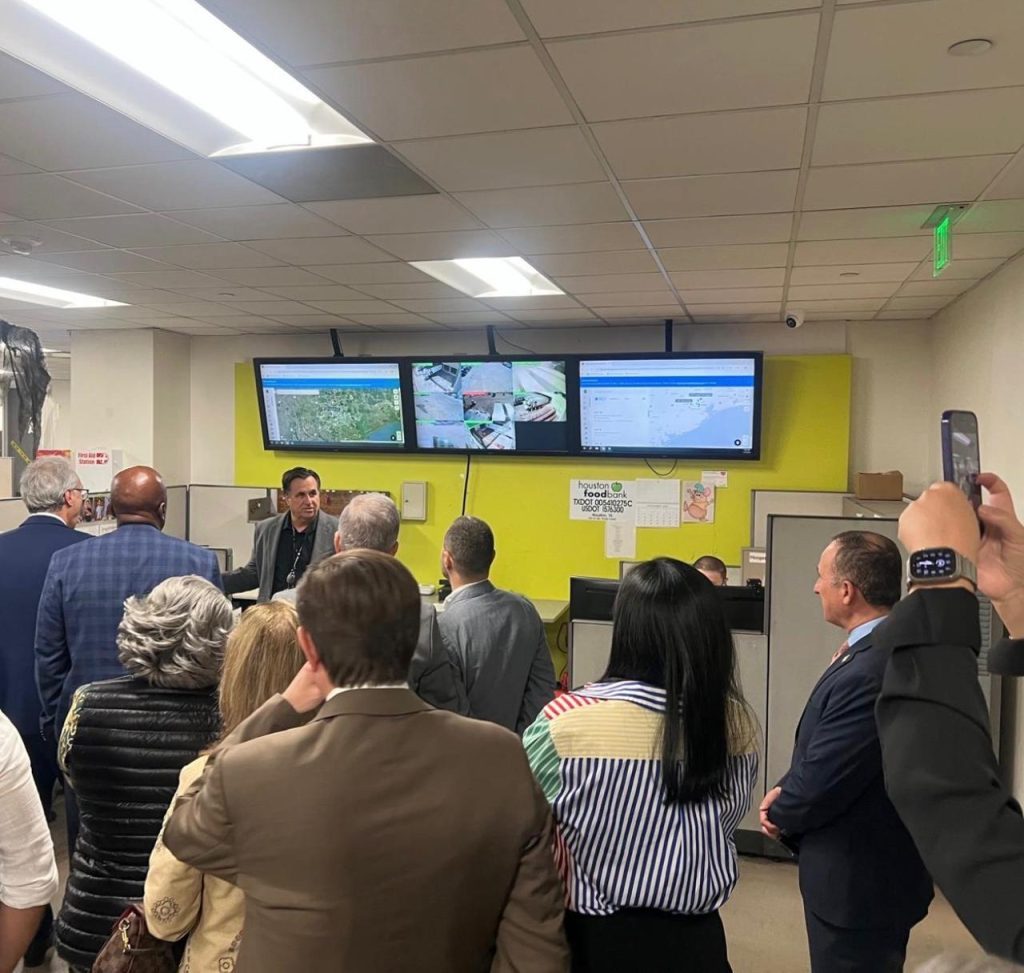
كما شملت الزيارة جولة ميدانية في مرافق المنظمة، اطلع خلالها المشاركون على آليات استلام وفرز وتوزيع المواد الغذائية، فضلًا عن برامج التطوع والتعاون مع مؤسسات المجتمع المحلي، مع عرض التقنيات والأنظمة المستخدمة لضمان وصول الدعم إلى المحتاجين بكفاءة وسرعة.
The Acting Chargé d’Affaires of the Iraqi Consulate General in Texas – Houston, Mr. Qutaiba Khaled Salih, participated in a visit to the Houston Food Bank on November 5, 2025, accompanied by a group of accredited consuls general. The visit was part of an event organized by the consular corps in the city to strengthen cooperation with local institutions.
During the visit, the organization’s President, Mr. Brian Greene, provided a detailed explanation of the bank’s mission and humanitarian programs, as well as its efforts to combat food insecurity in the state of Texas. He also highlighted the bank’s support for low-income families and those affected by natural disasters. The Houston Food Bank is considered one of the largest nonprofit organizations in the United States specializing in food assistance, serving over 1.5 million people annually with fresh, packaged, and ready-to-eat meals.
The visit also included a tour of the organization’s facilities, during which participants observed the procedures for receiving, sorting, and distributing food, in addition to volunteer programs and collaboration with local community organizations. The tour also showcased the technologies and systems used to ensure that aid reaches those in need efficiently and promptly.