الاجتماع الطارئ لوزراء الخارجية العرب في إسطنبول بدعوة من العراق يدين عدوان الكيان الإسرائيلي على إيران ويدعو إلى التهدئة والحوار
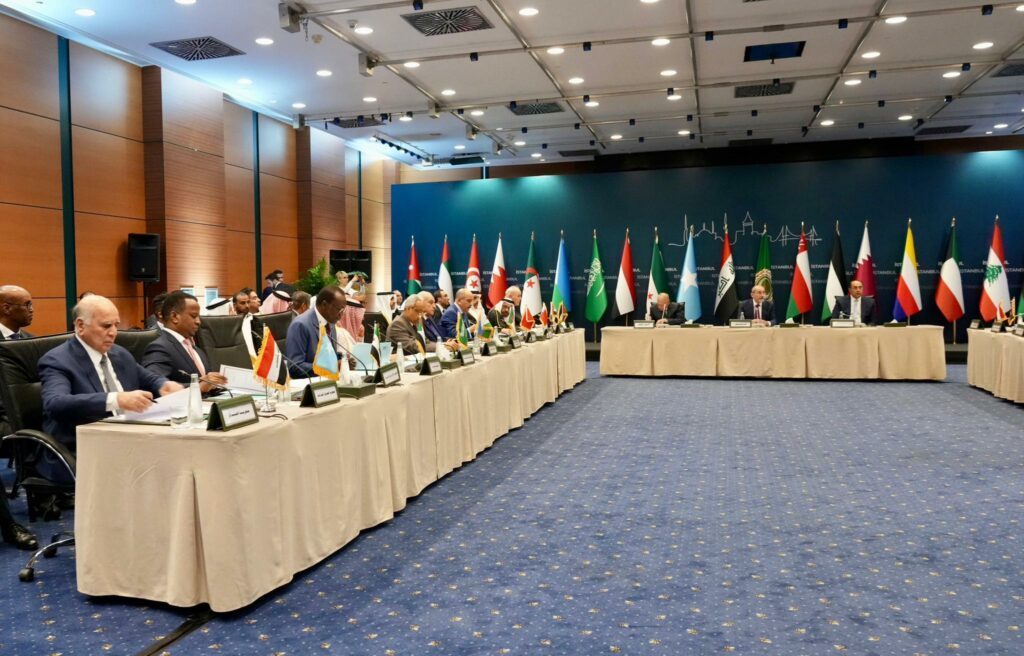
عُقد يوم الجمعة الموافق 20 حزيران 2025 اجتماع الدورة غير العادية لمجلس جامعة الدول العربية على المستوى الوزاري في مدينة إسطنبول بالجمهورية التركية، وذلك بطلب من جمهورية العراق لبحث تداعيات العدوان الإسرائيلي على الجمهورية الإسلامية الإيرانية وأثره على أمن واستقرار المنطقة، وقد انعقد الاجتماع العربي الذي ترأسه وزير الخارجية الأردني أيمن الصفدي رئيس الدورة غير العادية لمجلس جامعة الدول العربية على المستوى الوزاري، قبيل انعقاد الدورة الحادية والخمسين لمجلس وزراء خارجية الدول الأعضاء في منظمة التعاون الإسلامي، والمقرر عقدها يوم السبت، وصدر عن الاجتماع بيان أكد، بعد الاستماع إلى مداخلة رئيس وفد جمهورية العراق السيد فؤاد حسين ومداخلات الدول الأعضاء والأمين العام، تبني المجلس لجملة من الخطوات والمواقف أهمها إدانة العدوان الإسرائيلي على الجمهورية الإسلامية الإيرانية باعتباره انتهاكًا صارخًا لسيادة دولة عضو في الأمم المتحدة وتهديدًا للسلم والأمن الإقليمي، والتأكيد على ضرورة وقف هذا العدوان وتكثيف الجهود الإقليمية والدولية لخفض التوتر وصولًا إلى وقف إطلاق النار وتحقيق التهدئة الشاملة، والدعوة إلى العودة للمفاوضات للتوصل إلى اتفاق بشأن الملف النووي الإيراني ودعم كافة الجهود الرامية إلى تحقيق التهدئة، كما دعا المجتمع الدولي، وخاصة مجلس الأمن، إلى تحمل مسؤولياته في وقف العدوان الإسرائيلي لما يشكله من خرق للقانون الدولي وتهديد لأمن واستقرار المنطقة، وأكد المجلس أن الحل الوحيد للأزمات في المنطقة هو اعتماد الدبلوماسية والحوار القائمين على قواعد القانون الدولي وميثاق الأمم المتحدة، مشددًا على أن الأزمة الراهنة لا يمكن تسويتها بالوسائل العسكرية، وأن التهدئة الشاملة في المنطقة لا يمكن أن تتحقق دون معالجة جذور الصراع، وعلى رأسها وقف العدوان الإسرائيلي المستمر على قطاع غزة والسماح الفوري والكافي والمستدام بإدخال المساعدات الإنسانية عبر منظمات الأمم المتحدة المعنية، ووقف الإجراءات الإسرائيلية غير القانونية في الضفة الغربية المحتلة، كما حذر المجلس من أن السياسات الإسرائيلية تدفع بالمنطقة نحو مزيد من الصراع والتوتر، الأمر الذي يتطلب تحركًا دوليًا فاعلًا لوقف هذه السياسات العدوانية، وأكد كذلك ضرورة احترام حرية الملاحة في الممرات المائية الدولية، واحترام مبادئ ميثاق الأمم المتحدة التي تحظر استخدام القوة أو التهديد بها في العلاقات الدولية، والدعوة إلى حل النزاعات بالطرق السلمية واحترام وحدة وسلامة أراضي الدول ورفض أي محاولات لزعزعة أمنها واستقرارها، وطالب باحترام سيادة الدول في المنطقة وإدانة أي خرق لأجوائها، وشدد على ضرورة الامتناع عن استهداف المنشآت النووية الخاضعة لضمانات الوكالة الدولية للطاقة الذرية، وذلك التزامًا بقرارات الوكالة وقرارات مجلس الأمن ذات الصلة، لما يمثله استهداف تلك المنشآت من خرق جسيم للقانون الدولي، محذرًا من مخاطر الانبعاثات النووية وتسربها في الإقليم وما يترتب عليها من آثار إنسانية وبيئية مدمرة.
Emergency Meeting of Arab Foreign Ministers in Istanbul at Iraq’s Invitation Condemns Israeli Aggression on Iran and Calls for Calm and Dialogue
On Friday, June 20, 2025, an extraordinary session of the Arab League Council at the ministerial level was held in Istanbul, Turkey, at the request of the Republic of Iraq. The meeting addressed the repercussions of Israeli aggression against the Islamic Republic of Iran and its impact on regional security and stability.
The meeting was chaired by Jordanian Foreign Minister Mr. Ayman Safadi, who currently serves as the chair of the extraordinary session of the Arab League Council at the ministerial level. This session took place ahead of the 51st session of the Council of Foreign Ministers of the Organization of Islamic Cooperation, scheduled for Saturday.
Following the intervention of the head of Iraq’s delegation Minister Fuad Hussein, contributions from member states, and the Secretary-General’s remarks, the Council issued a statement adopting a series of key measures and positions, chief among them is condemning the Israeli aggression against Iran, describing it as a blatant violation of the sovereignty of a United Nations member state and a threat to regional peace and security.
The Council stressed the urgent need to halt this aggression and intensify regional and international efforts to reduce tensions, aiming for a ceasefire and comprehensive calm. In addition they called for a return to negotiations to reach an agreement on the Iranian nuclear issue and supported all efforts aimed at achieving de-escalation.
The Council urged the international community, particularly the UN Security Council, to fulfill its responsibilities in stopping the Israeli aggression, which constitutes a breach of international law and a threat to regional security and stability, the Council reaffirmed that the only solution to the crises in the region lies in diplomacy and dialogue based on the principles of international law and the UN Charter, affirming that the current crisis cannot be resolved through military means and that comprehensive calm in the region requires addressing the root causes of the conflict, foremost among them is the cessation of ongoing Israeli aggression against the Gaza Strip and the immediate, adequate, and sustained delivery of humanitarian aid through relevant UN agencies.
The Council also condemned Israel’s illegal actions in the occupied West Bank, warning against the Israeli policies that push the region toward further conflict and tension, which require effective international action to stop these aggressive policies.
The Council reaffirmed the necessity of respecting freedom of navigation in international waterways and the principles of the UN Charter, which prohibits the use or threat of force in international relations. As well they called for resolving disputes peacefully, respecting the sovereignty and territorial integrity of states, and rejecting any attempts to undermine their security and stability.
The Council also demanded respect for the sovereignty of countries of the region and condemned any violations of their airspace, stressing the importance of refraining from targeting nuclear facilities under the safeguards of the International Atomic Energy Agency, in compliance with the Agency’s resolutions and related UN Security Council resolutions. The Council warned of the risks posed by nuclear emissions and leaks in the region, along with their devastating humanitarian and environmental consequences.