نائب رئيس مجلس الوزراء ووزير الخارجية يشارك في الاجتماع الوزاري بشأن سوريا ويدعو إلى الاستفادة من التجربة العراقية
عربي / English
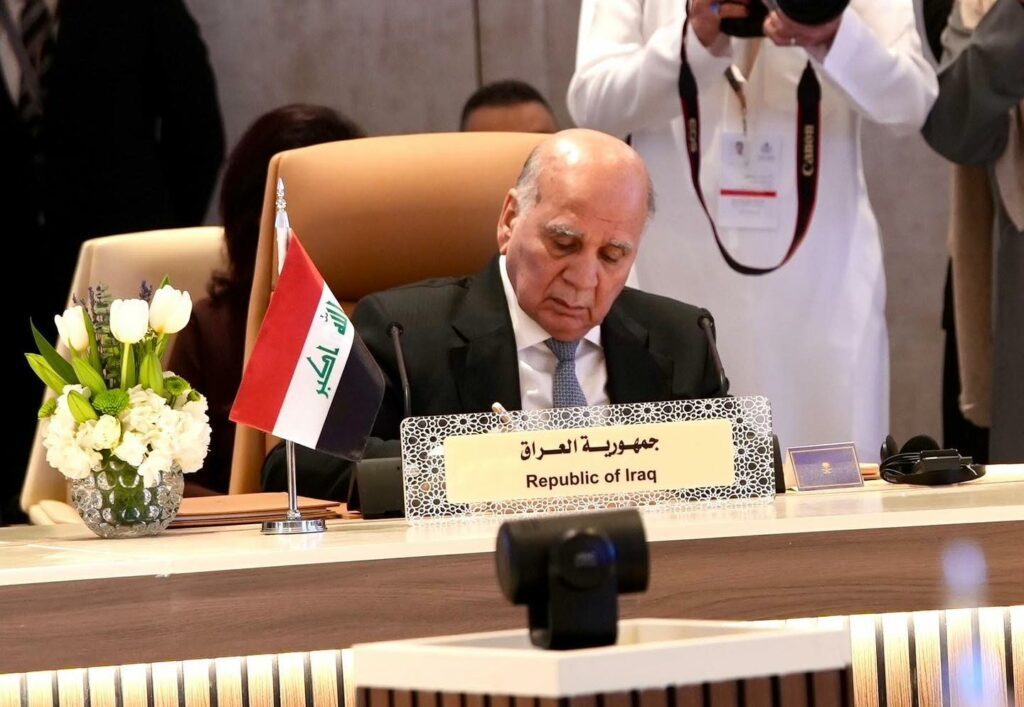
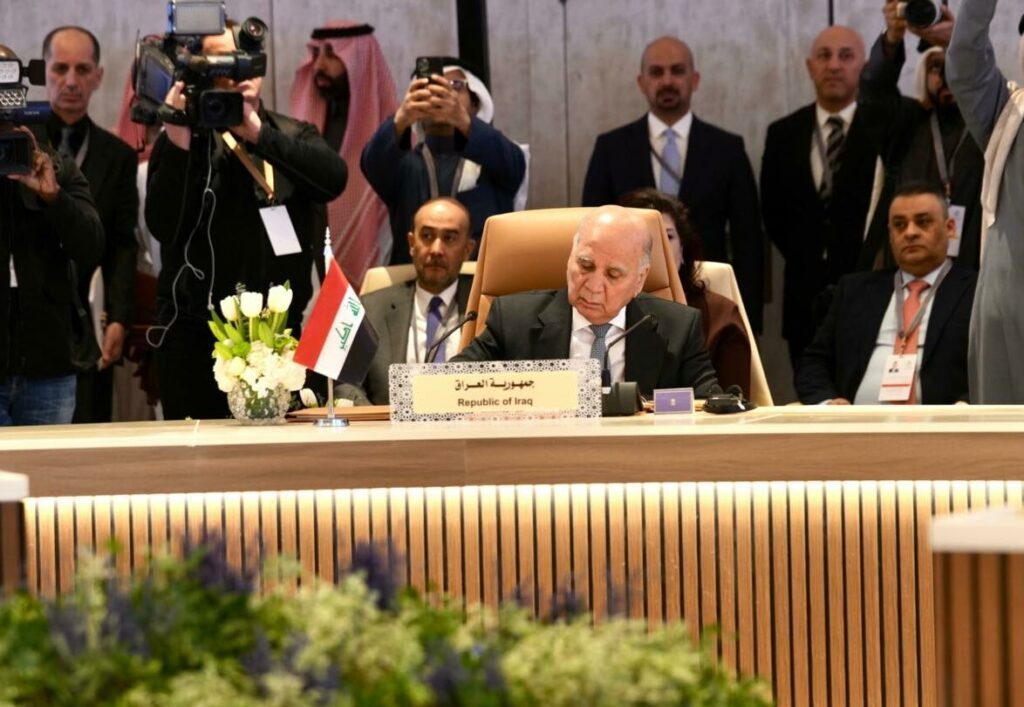
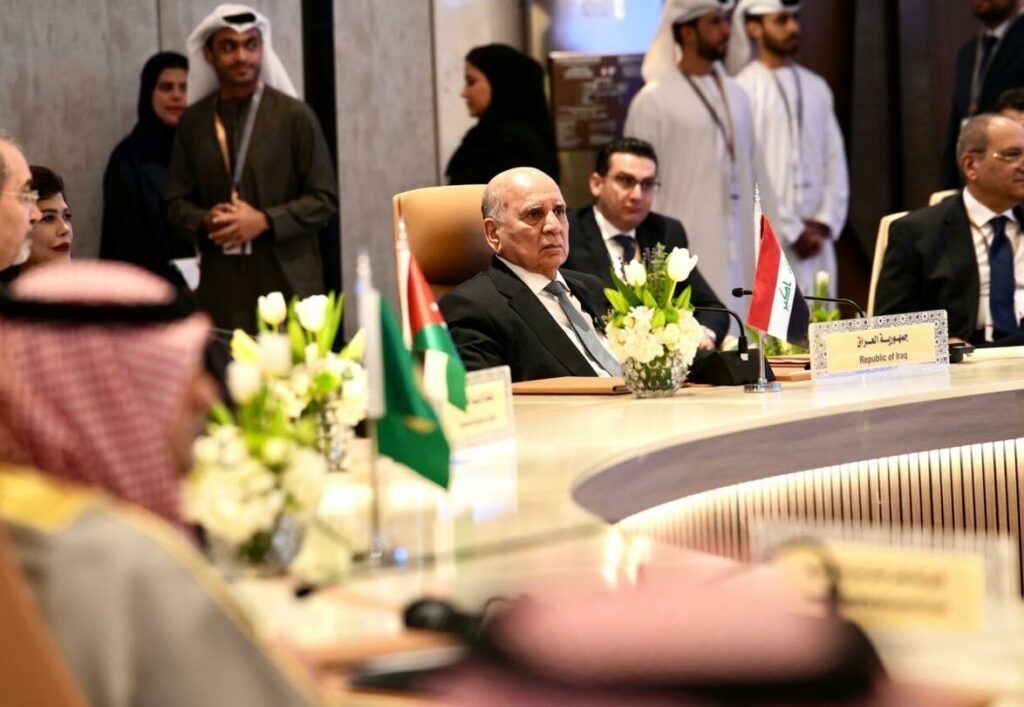
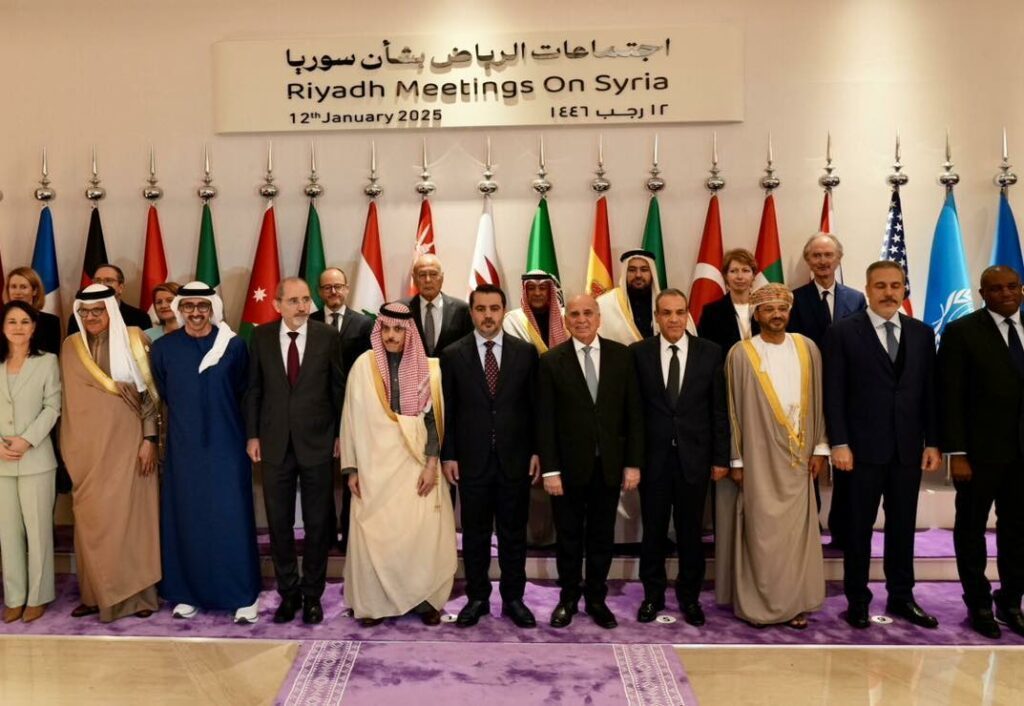
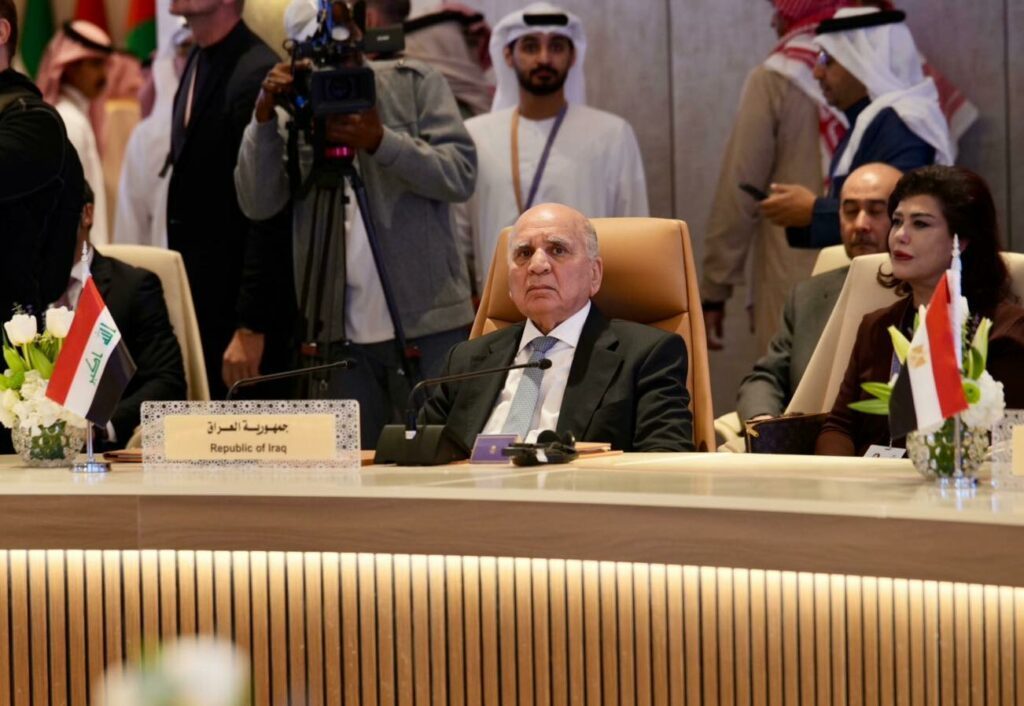
شارك نائب رئيس مجلس الوزراء ووزير الخارجية، السيد فؤاد حسين، يوم الأحد الموافق 12 كانون الثاني 2025، في الاجتماع الوزاري الموسع بشأن سوريا الذي استضافته المملكة العربية السعودية.
وفي مداخلة ألقاها خلال الاجتماع، أعرب السيد الوزير عن شكره للمملكة العربية السعودية على استضافتها لهذه الاجتماعات، مؤكداً أهمية الحوار والتعاون الدولي في مواجهة التحديات التي تواجه سوريا.
أشار السيد فؤاد حسين إلى وجود تشابه بين التغيير الذي شهدته سوريا والتغيير الذي مر به العراق في مرحلة معيّنة من التاريخ السياسي. وقال: “كنا في العراق نحارب حزب البعث، ومن يفهم البعث جيداً هم المعارضون العراقيون. لذلك، نحن ندرك تماماً معاناة الشعب السوري من حزب شمولي سيطر على كل شيء وأدى إلى سيطرة فردية، وحروب داخلية، وعزلة دولية.”
وأوضح أن العراق عانى من هذه الأوضاع حينما كان النظام يمارس العنف ضد أبناء الشعب العراقي، وبعد غزو الكويت وحتى عام 2003، كان النظام في بغداد منعزلاً عن العالم وتحت عقوبات دولية، كما كان النظام في دمشق خلال السنوات الأخيرة. واستطاع الشعب العراقي، وبدعم من المجتمع الدولي، إزالة النظام. وأكد أن الوضع في سوريا مشابه، حيث ساهم المجتمع الدولي ونضال الشعب السوري في مواجهة نظام البعث هناك.
وتساءل السيد الوزير عن كيفية بناء تجربة جديدة في سوريا بعد انهيار تجربة حزب البعث، مشيراً إلى ضرورة استفادة سوريا من التجربة العراقية لتجنب بعض السلبيات التي رافقت هذه التجربة، والاستفادة من الإيجابيات التي أفرزتها، قائلاً: “سوريا تستطيع أن تستفيد من التحديات التي واجهتنا، لأن تجاهل هذه الدروس ستكون له تبعات خطيرة.”
وأكد السيد الوزير أن العراق يشدد على أهمية احترام قرار وإرادة الشعب السوري في صياغة مستقبله السياسي، ولكن من الضروري أخذ حالة المجتمع المكوّناتي في سوريا بعين الاعتبار، وتأسيس عملية سياسية شاملة يشارك فيها ممثلو جميع الطوائف والمكونات السورية. وطرح تساؤلات حول تشكيل المجلس الوطني، أجندته، وآليات بناء الدستور.
وحذر السيد فؤاد حسين من استمرار خطر تنظيم داعش، الذي لا يزال يمثل تهديداً في المنطقة، مشيراً إلى قلق العراق من وجود التنظيم على الجانب السوري من الحدود. وقال: “تزايد عدد مقاتلي داعش واختلف تسليحهم، خاصة بعد استيلائهم على أسلحة جديدة.”
وأوضح أن العراق يراقب بدقة الوضع الأمني لـ(26) سجناً تحت سيطرة قوات سوريا الديمقراطية، حيث يتواجد في هذه السجون أكثر من عشرة آلاف سجين من عناصر وقادة تنظيم داعش الإرهابي. وأعرب عن قلقه من أن الاشتباكات المستمرة في هذه المناطق قد تؤدي إلى هروب أو إطلاق سراح هؤلاء الإرهابيين، فضلاً عن الوضع في مخيم الهول. وتساءل: “ما الذي سيحدث إذا سيطر داعش على هذه المناطق وعبر الحدود باتجاه العراق أو دول أخرى؟”
وأشار إلى أهمية التعاون الإقليمي لمواجهة خطر التنظيم، مشيراً إلى أن “وادي حوران”، الممتد بين الأنبار ودرعا، أصبح ممراً لتحركات عناصر تنظيم داعش.
وأكد السيد الوزير أن إلغاء أو إقصاء المكونات والطوائف، وتبني الأحادية، لن يؤدي إلى تحقيق الاستقرار في سوريا، مشدداً على الحاجة إلى تعاون شامل بين المكونات السورية لتحقيق السلام والاستقرار. واختتم مداخلته قائلاً: “نستطيع تقديم تجربتنا في محاربة داعش والإرهابيين، والتي قادت إلى الاستقرار الأمني في العراق، بما يسهم في دعم استقرار سوريا وضمان مستقبل أفضل لشعبها.”
Deputy Prime Minister and Foreign Minister Participates in the Ministerial Meeting on Syria and Calls for Benefiting from the Iraqi Experience
Deputy Prime Minister and Foreign Minister Mr. Fuad Hussein participated in the expanded ministerial meeting on Syria, which was hosted by the Kingdom of Saudi Arabia on 12 January 2025.
In an intervention he made during the meeting, the Minister extended his thanks to the Kingdom of Saudi Arabia for hosting these meetings, affirming the importance of dialogue and international cooperation in addressing the challenges facing Syria.
Minister Fuad Hussein indicated that there is a similarity between the change that Syria witnessed and the change that Iraq went through at a certain stage of political history. He added : “In Iraq, we were fighting the Baath Party, and those who understand the Baath Party well are the Iraqi opposition, therefore, we are fully aware of the suffering of the Syrian people from a totalitarian party that controlled everything and led to individual control, internal wars, and international isolation.”
He explained that Iraq suffered from these conditions when the regime was practicing violence against the Iraqi people, and after the invasion of Kuwait and until 2003, the regime in Baghdad was isolated from the world and under international sanctions, as was the regime in Damascus during recent years. The Iraqi people, with the support of the international community, were able to remove the regime. He stressed that the situation in Syria is similar, as the international community and the struggle of the Syrian people contributed to confronting the Baath regime there.
The Minister enquired about how to build a new experience in Syria after the collapse of the Baath Party experience, indicating the necessity for Syria to benefit from the Iraqi experience to avoid some of the cons that accompanied this experience, and to take advantage of the positives that it produced, as the Minister stated : “Syria can benefit from the challenges we faced, because ignoring these lessons will have serious consequences.”
The Minister affirmed that Iraq stresses the importance of respecting the decision and will of the Syrian people in shaping their political future, but it is necessary to take into consideration the components of the society in Syria, and to establish a comprehensive political process in which representatives of all Syrian sects and components participate. Minister Hussein raised questions about the formation of the National Council, its agenda, and the mechanisms for building the constitution. As well Minister Hussein warned of the continued danger of Da’esh, which still poses a threat in the region, underlining Iraq’s concern regarding the presence of the organization on the Syrian side of the border. He said: “The number of Da’esh fighters has increased and their armament has changed, especially after they seized new weapons.”
The Minister added that Iraq is closely monitoring the security situation of (26) prisons under the control of the Syrian Democratic Forces, where more than ten thousand prisoners of Da’esh terrorist members and leaders are present in these prisons. He expressed his concern that the ongoing clashes in these areas may lead to the escape or release of these terrorists, in addition to the situation in Al-Hawl camp, and added : “What will happen if Da’esh takes control of these areas and crosses the border towards Iraq or other countries?”
The Minister highlighted the importance of regional cooperation to confront the threat of the organization, noting that “Wadi Hawran”, which extends between Anbar and Daraa, has become a passage for the movements of Da’esh members.
The Minister underlined that eliminating or excluding components and sects, and embracing unilateralism, will not lead to achieving stability in Syria, and stressed the need for comprehensive cooperation between the Syrian components to achieve peace and stability. The Minister concluded his speech by saying: “We can present our experience in fighting Da’esh and terrorists which led to the security stability in Iraq, in a way that contributes to supporting the stability of Syria and ensuring a better future for its people.”